- Home
- About Us
- Services
- Custom home Construction
- Bathroom Remodeling
- Home Additions
- Backsplash Installation
- Ceramic Tile Installation
- Exterior and Interior Home Painting
- Wallpaper Removal
- Pressure Washing
- Shingle Roofing Repairs
- Masonry Works
- Hardwood Floors Installation
- Electrical Services
- Plumbing Services
- Carpentry Works
- Concrete Hardscape Services
- Pavers Installation
- Walkways Installation
- Retaining Wall Installation
- Sprinkler Irrigation
- Artificial Grass
- Kitchen Remodeling
- Contact Us

- Home
- About Us
- Services
- Custom home Construction
- Bathroom Remodeling
- Home Additions
- Backsplash Installation
- Ceramic Tile Installation
- Exterior and Interior Home Painting
- Wallpaper Removal
- Pressure Washing
- Shingle Roofing Repairs
- Masonry Works
- Hardwood Floors Installation
- Electrical Services
- Plumbing Services
- Carpentry Works
- Concrete Hardscape Services
- Pavers Installation
- Walkways Installation
- Retaining Wall Installation
- Sprinkler Irrigation
- Artificial Grass
- Kitchen Remodeling
- Contact Us
Pavers Installation in Salinas, CA
Pavers look great when the base is built correctly. When they’re not, you get sinking corners, shifting edges, weeds pushing through joints, and puddles that never fully dry. The surface might still look “fine” from a distance, but you feel the movement when you walk on it, and the pattern starts to separate over time.
Segundo Construction and More Inc provides pavers installation in Salinas, CA for driveways, patios, walkways, side yards, and outdoor living areas. We focus on the part that makes pavers last: grading, base compaction, edge restraint, and clean finishing.

Let’s Talk About Your Custom Home
Request A Quote
What pavers installation includes
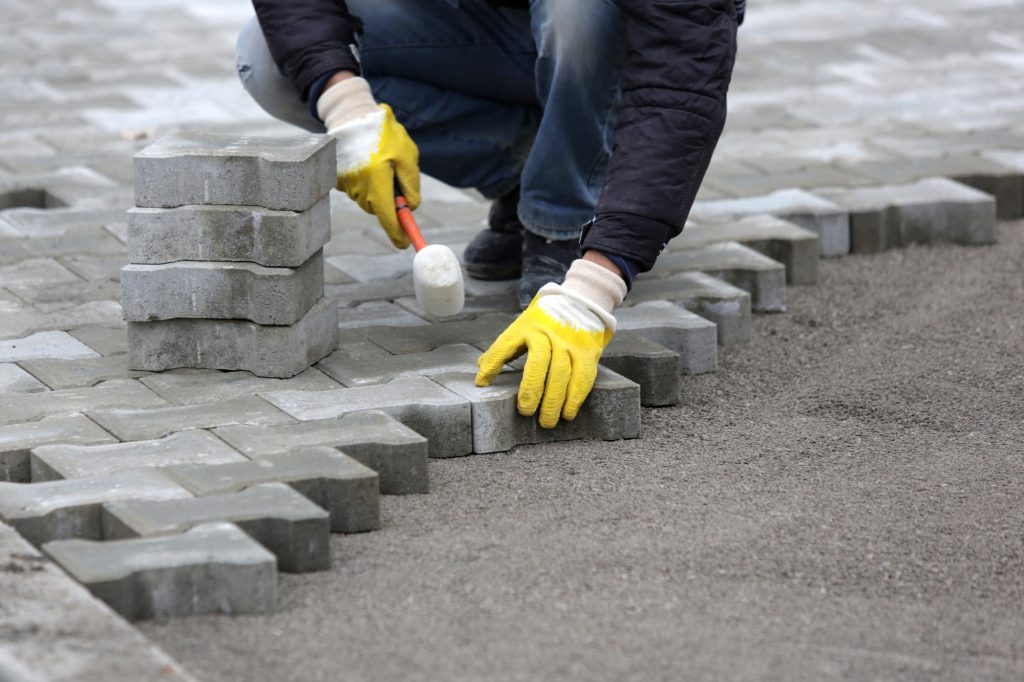
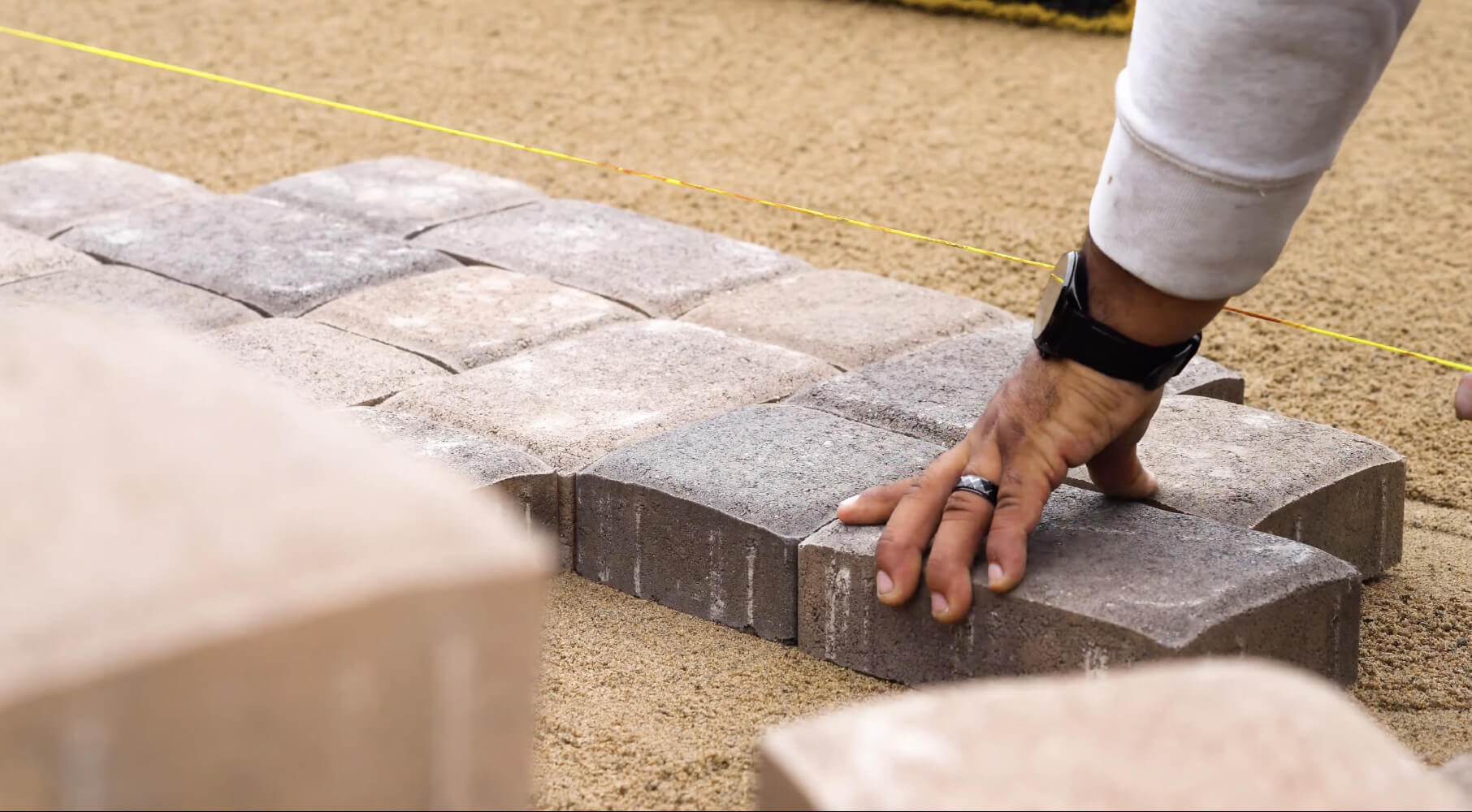
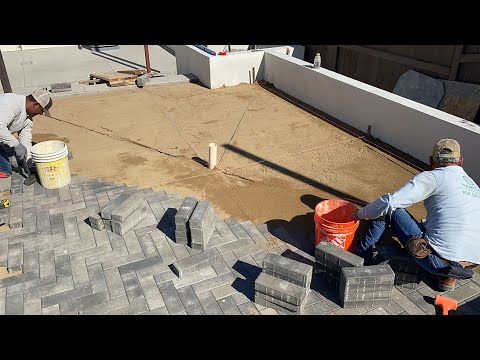
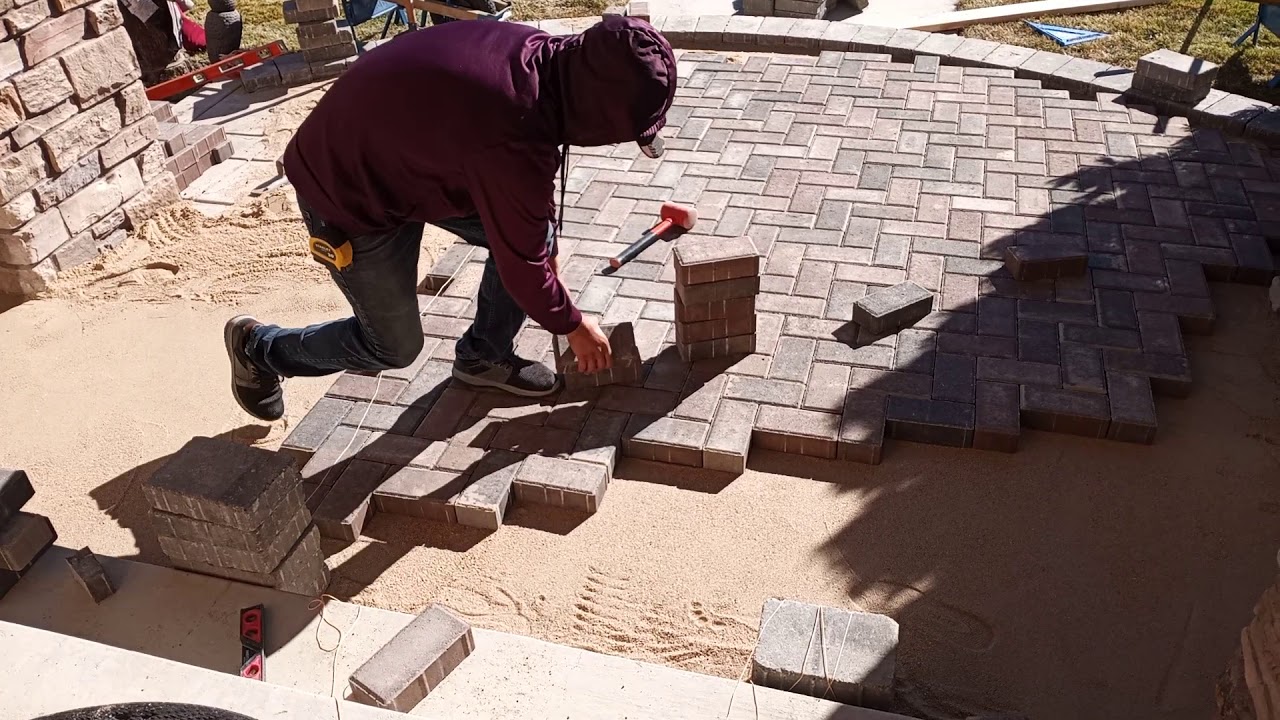
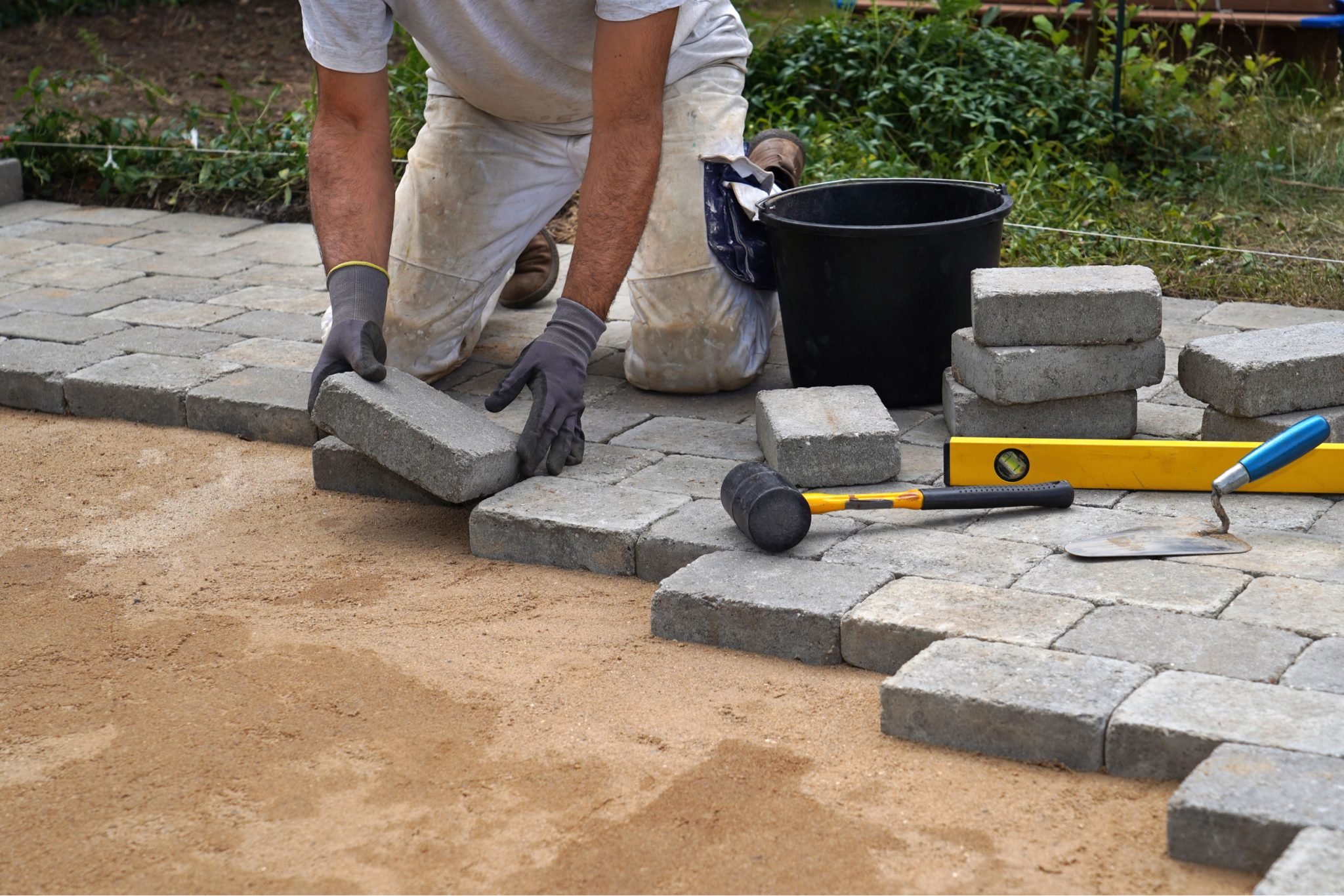
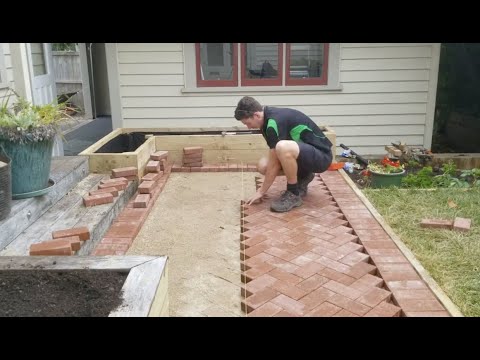
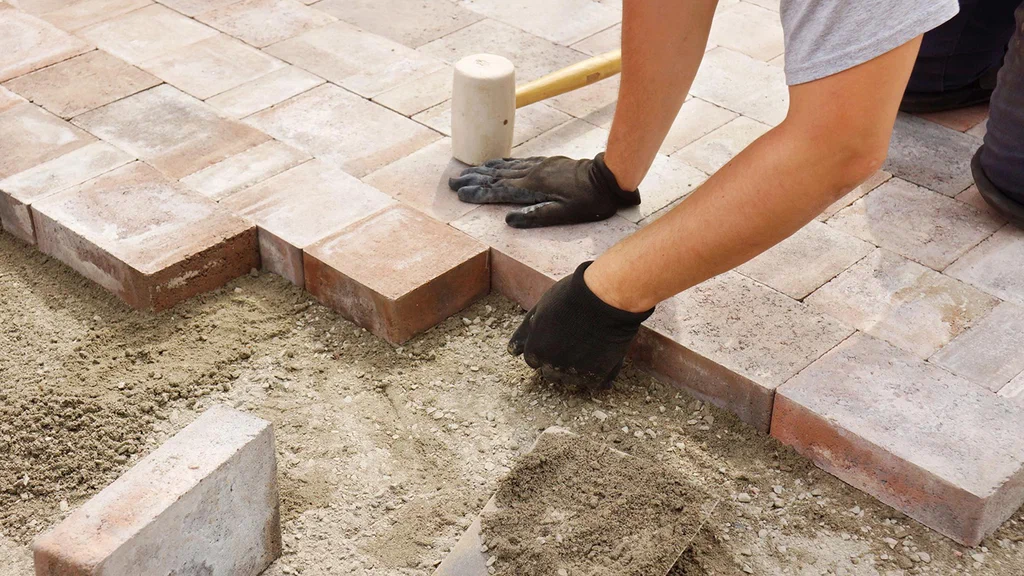
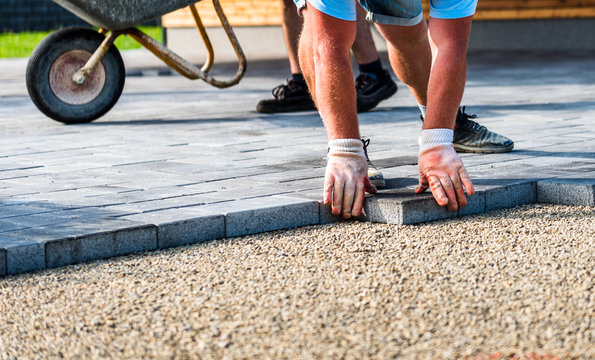
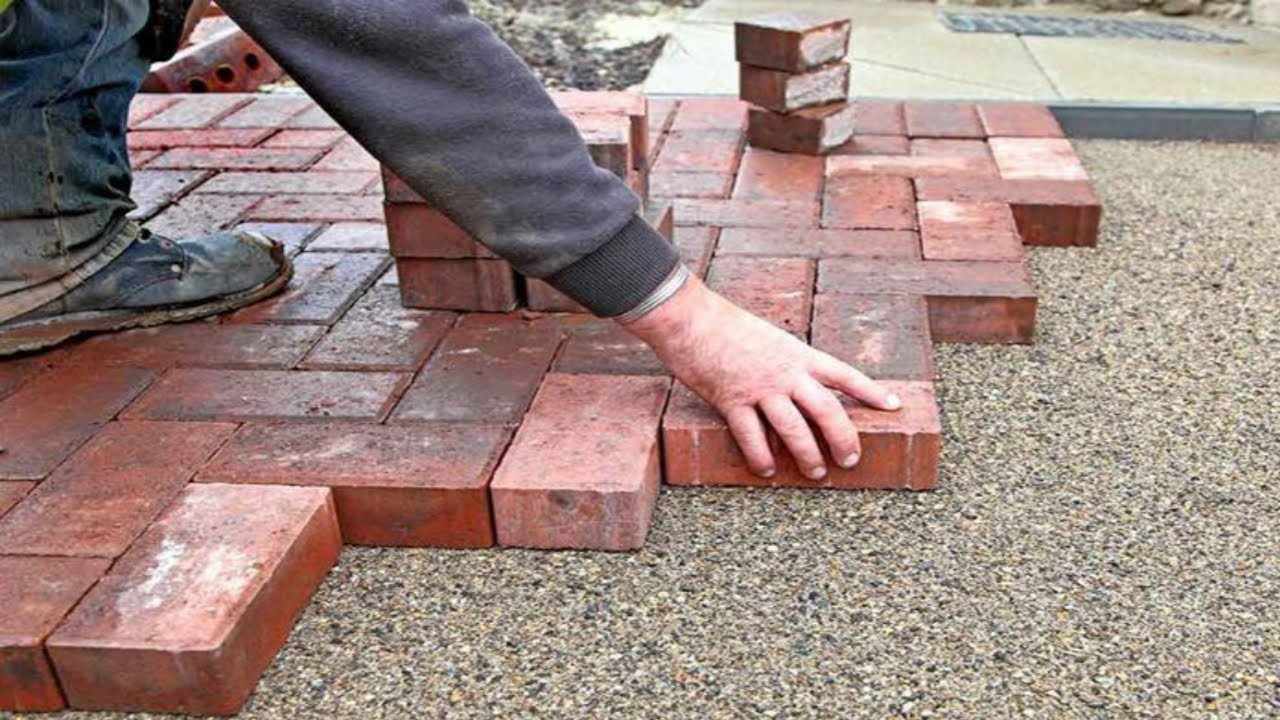
Pavers installation is not just laying stone. A durable paver surface depends on what’s underneath and how the edges are locked in.
Common paver projects include:
- Paver patios
- Paver walkways
- Paver driveways and parking areas
- Side yard pavers
- Courtyard and entry areas
- Fire pit and seating area bases
- Pavers tied into retaining walls and hardscape transitions
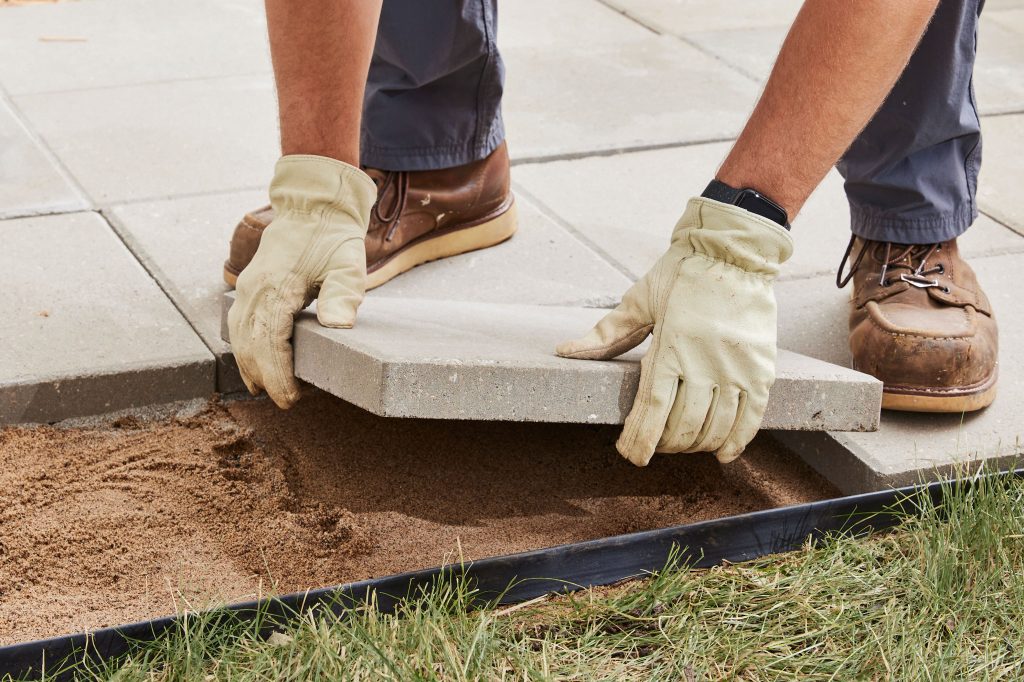
If you’re updating multiple exterior features, pavers often connect naturally to walkways, steps, and landscaping.
Where pavers make the most sense
Pavers are a good fit for outdoor areas that need a finished look without the “one big slab” feel.
They’re commonly used for:
- Patios and outdoor seating areas
- Front entry improvements
- Walkways that need clean lines
- Driveways where you want stronger curb appeal
- Side yards that get muddy or dusty
Pavers also make spot repairs easier than poured concrete because individual pavers can be removed and reset if needed.
The parts of pavers installation that matter most
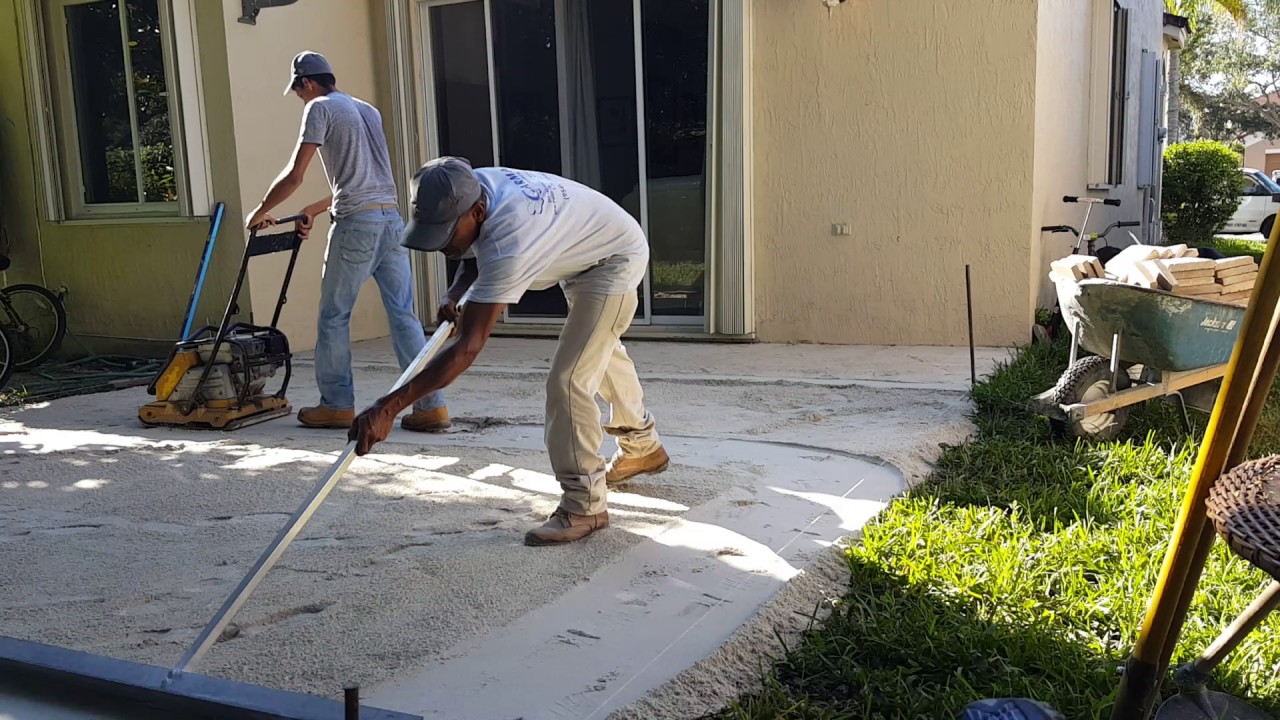
A paver job can look good on day one even if the base is wrong. The problems show up months later. These are the details that separate a long lasting install from a surface that keeps shifting.
01
Proper grading and drainage
If water sits on the surface or runs toward the house, the base will move over time. Grading is planned before installation so water drains the right way.
02
Base preparation and compaction
Compaction is where stability comes from. A paver surface should feel solid with no rocking or soft spots. The base needs to be built and compacted correctly for the space and expected use.
03
Edge restraints
Edges are what keep pavers from spreading. Without proper restraint, pavers slowly shift outward and joints open up.
04
Joint sand and finishing
Joint sand locks pavers together and helps reduce movement. Finishing also includes clean cuts, consistent lines, and transitions that do not look patched.
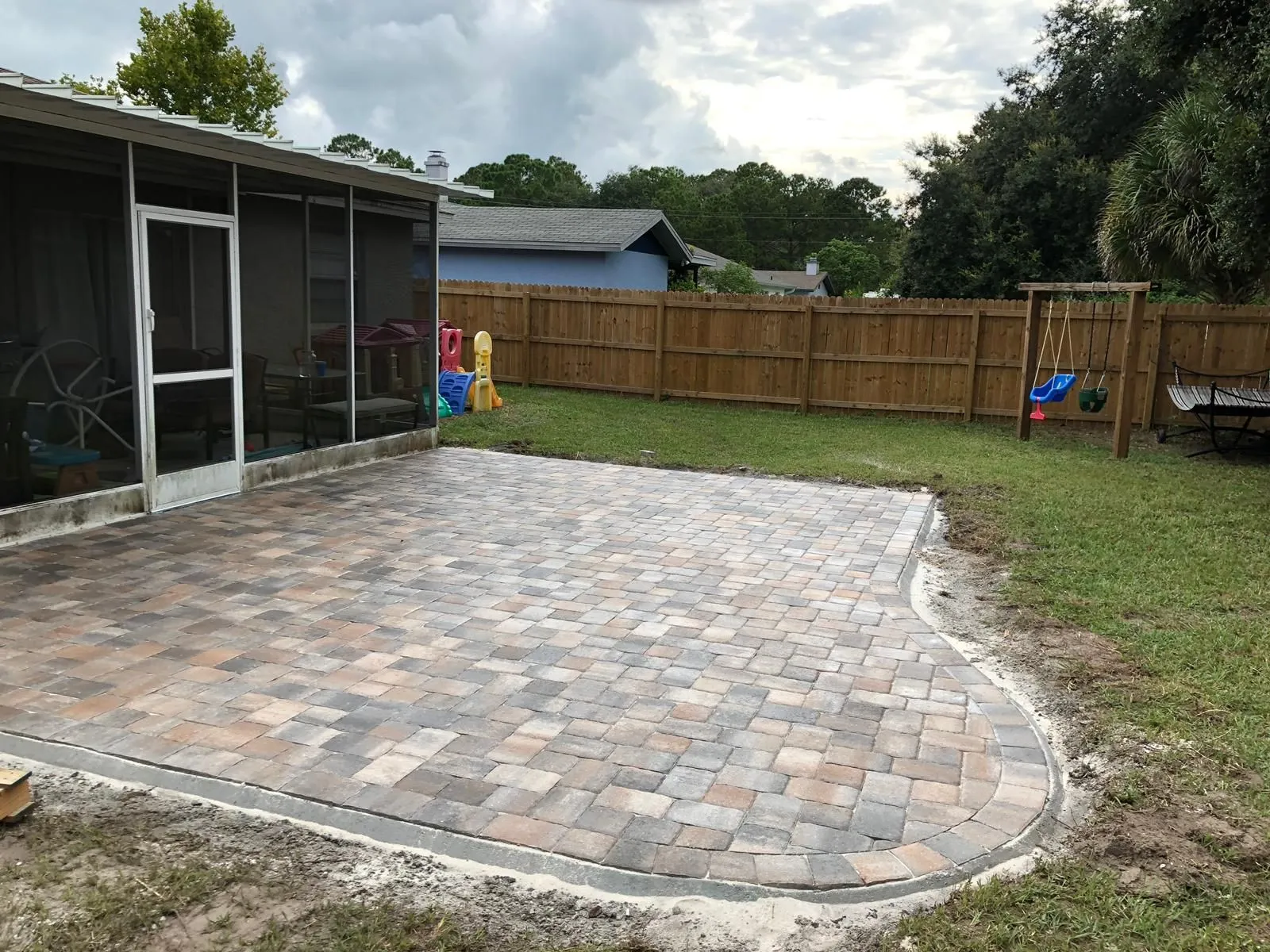
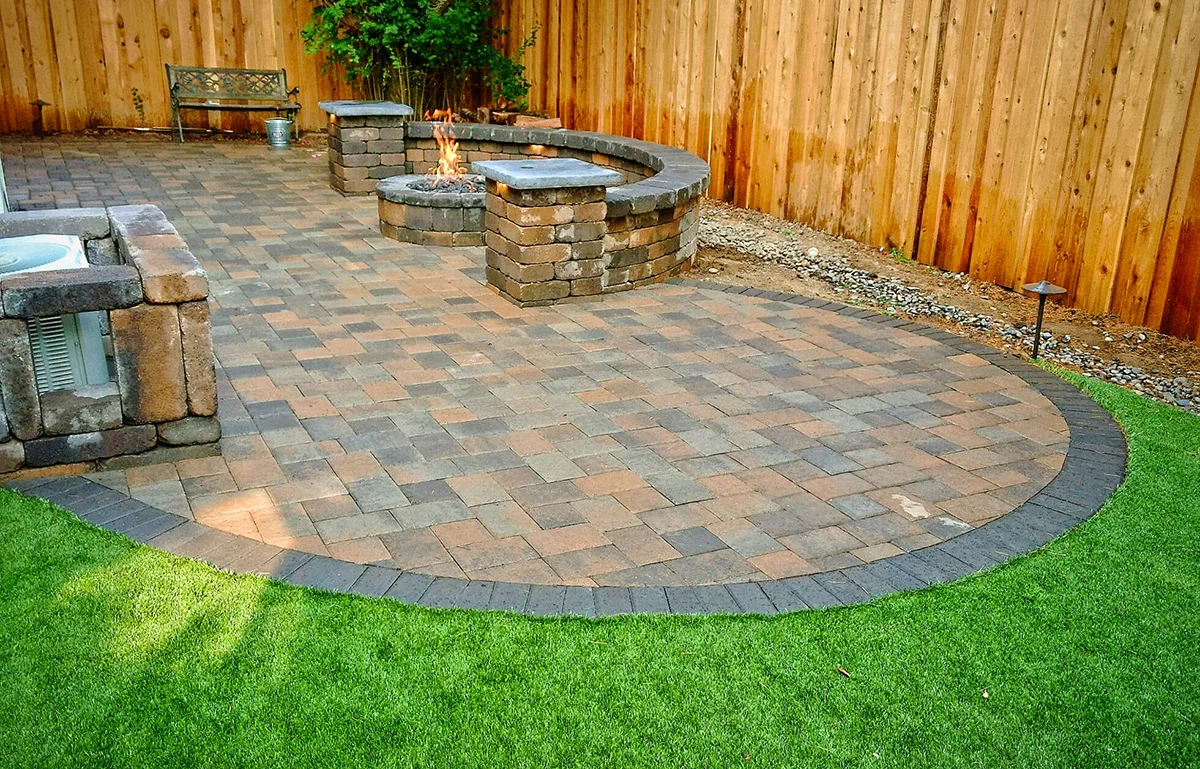
Paver patio installation in Salinas, CA
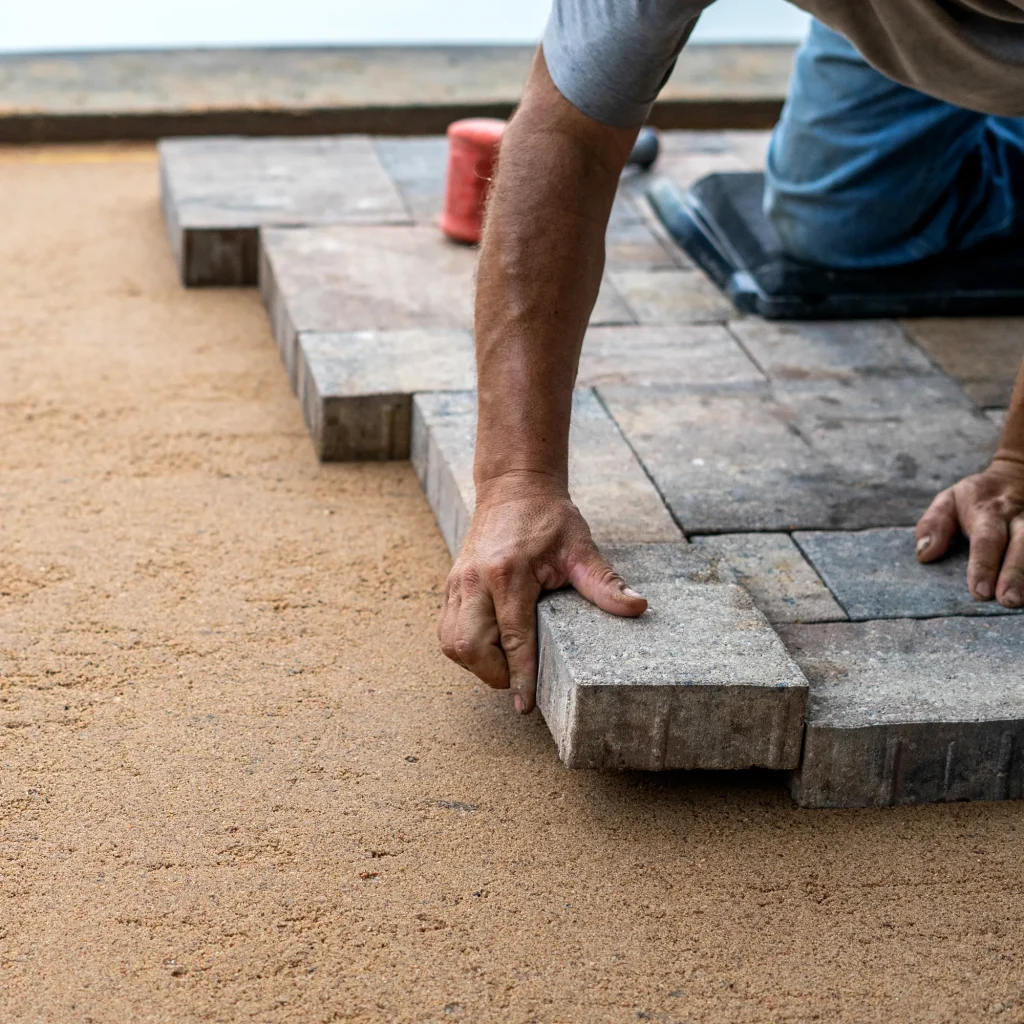
A paver patio should feel flat, drain properly, and support furniture without wobble. We plan the patio layout around how you use the space and where the main traffic flow is.
Patio projects often include:
- Seating area layout planning
- Border details and patterns
- Clean transitions to doors and steps
- Drainage planning to avoid puddles
Paver driveway installation
Driveways take more load than patios and walkways. That means the base and installation method matter even more.
Paver driveways can be a strong option if you want a finished look and easy repair potential, but the build must match vehicle use and site conditions.
Paver walkways and entry paths
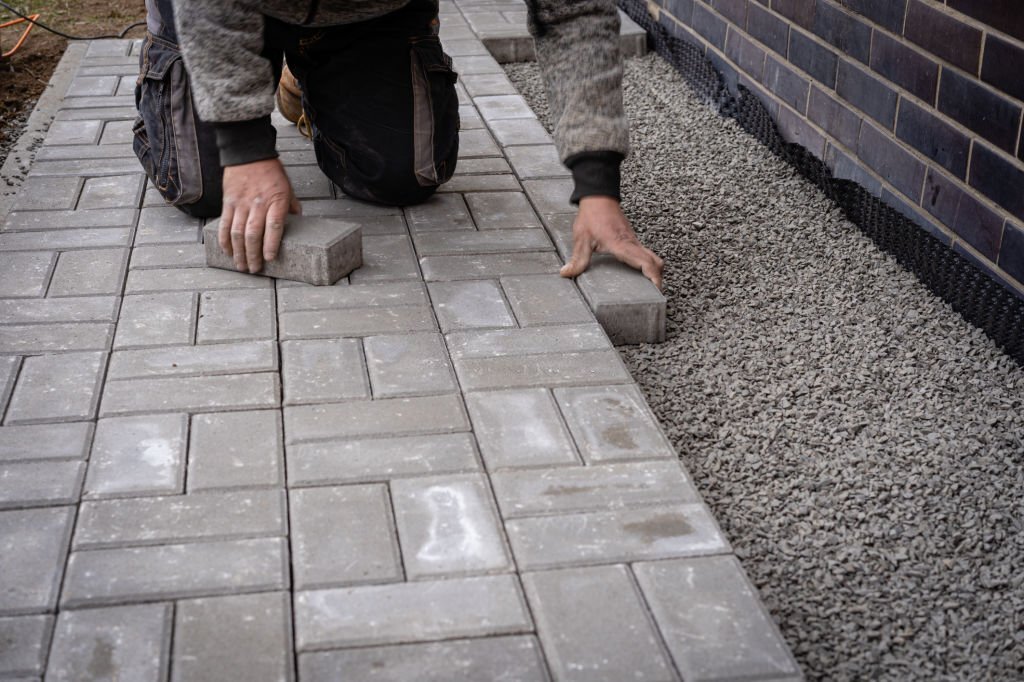
Walkways should be safe, easy to walk, and consistent. Uneven pavers become trip hazards. We install paver walkways with clean edges, stable base prep, and proper slope so the path drains correctly.
Repair vs new pavers installation
Some projects are full installs. Others are resets after movement.
You may need paver repair or resetting when:
- Sections have sunk or shifted
- Edges are spreading outward
- Pavers rock underfoot
- Water pools in low spots
- Joint sand has washed out repeatedly
If the base is compromised, re setting pavers without rebuilding the base is usually a short term fix. We focus on correcting what caused the movement.
What affects the cost of pavers installation in Salinas, CA
Paver pricing depends on design and prep, not just square footage. The biggest cost factors are:
- Total area and site access
- Excavation and removal of existing material
- Base depth and compaction requirements
- Drainage corrections and grading work
- Paver type, size, thickness, and pattern
- Borders, curves, and custom cuts
- Steps, landings, and elevation changes
- Edge restraint and finishing detail
A clean estimate comes from knowing what the area will be used for and what the existing ground condition looks like.
Questions people ask about pavers installation in Salinas, CA
Do pavers need a concrete base?
Not always. Many paver systems are installed over a compacted base. The right base depends on soil conditions and whether the surface will carry vehicles.
Why do pavers sink or shift?
Usually because the base was not excavated deeply enough, not compacted properly, or drainage was not handled. Edges can also spread if restraints are weak.
How do you prevent weeds between pavers?
Weeds usually come from seeds landing in joints over time, not from underneath. Proper joint sand, stable base, and maintenance reduce weed growth.
Do pavers drain better than concrete?
Often yes, depending on the design. Some paver systems allow more water movement through joints, but grading still matters.
How long does pavers installation take?
It depends on area size, excavation, base work, and design complexity. Smaller patios move faster. Larger driveways and detailed patterns take longer.
Can you install pavers over existing concrete?
Sometimes, but only if the concrete is stable, drains correctly, and the elevation works. In many cases, removing the old surface and building the base is the better long term choice.
Are pavers slippery when wet?
It depends on the paver type and surface texture. Most standard pavers have good traction, but slope and drainage still affect safety.
How long does concrete take to cure?
Concrete sets quickly but continues curing over time. Timing depends on conditions and the type of work. We provide guidance based on your project.
Do pavers require maintenance?
They can. Joint sand may need refresh over time, and sealing is optional depending on the look you want and stain concerns.
Should pavers be sealed?
Sealing can help with stain resistance and color depth, but it is not required. We can talk through whether it makes sense for your space.
Can you match existing pavers?
Sometimes. Matching depends on the paver brand, color, and whether th