- Home
- About Us
- Services
- Custom home Construction
- Bathroom Remodeling
- Home Additions
- Backsplash Installation
- Ceramic Tile Installation
- Exterior and Interior Home Painting
- Wallpaper Removal
- Pressure Washing
- Shingle Roofing Repairs
- Masonry Works
- Hardwood Floors Installation
- Electrical Services
- Plumbing Services
- Carpentry Works
- Concrete Hardscape Services
- Pavers Installation
- Walkways Installation
- Retaining Wall Installation
- Sprinkler Irrigation
- Artificial Grass
- Kitchen Remodeling
- Contact Us

- Home
- About Us
- Services
- Custom home Construction
- Bathroom Remodeling
- Home Additions
- Backsplash Installation
- Ceramic Tile Installation
- Exterior and Interior Home Painting
- Wallpaper Removal
- Pressure Washing
- Shingle Roofing Repairs
- Masonry Works
- Hardwood Floors Installation
- Electrical Services
- Plumbing Services
- Carpentry Works
- Concrete Hardscape Services
- Pavers Installation
- Walkways Installation
- Retaining Wall Installation
- Sprinkler Irrigation
- Artificial Grass
- Kitchen Remodeling
- Contact Us
Retaining Wall Installation in Salinas, CA
Retaining walls are not just visual. They control grade, manage runoff, and keep soil where it belongs. When a retaining wall is built without proper base prep and drainage, the wall starts telling on itself. You see bowing, cracking, shifting blocks, separated joints, and water stains. In the worst cases, the wall leans far enough that it becomes a safety issue.
Segundo Construction and More Inc provides retaining wall installation in Salinas, CA for residential properties, including new walls, replacement of failing walls, and retaining walls tied into larger hardscape projects.

Let’s Talk About Your Custom Home
Request A Quote
What a retaining wall should actually do
A retaining wall has one job, resist pressure from soil and water. That means the build needs to handle what you cannot see behind the wall.
A properly installed retaining wall should:
- Stay straight and plumb over time
- Drain water so pressure does not build up
- Hold grade without soil washing out
- Tie cleanly into patios, walkways, and landscaping
- Match the height and function of the area, not just look good on day one
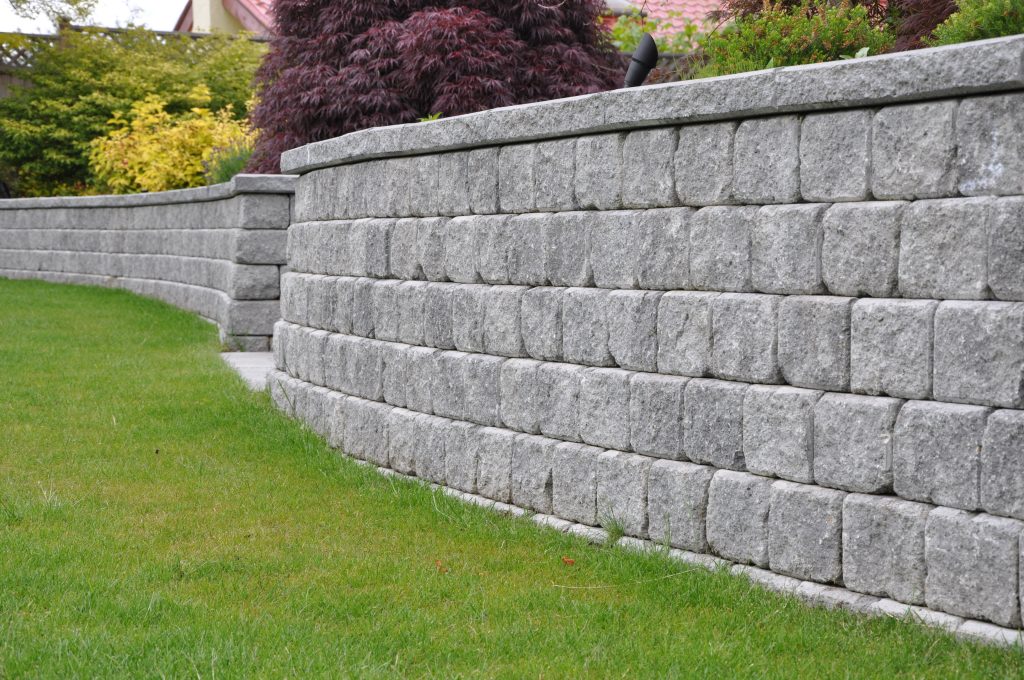
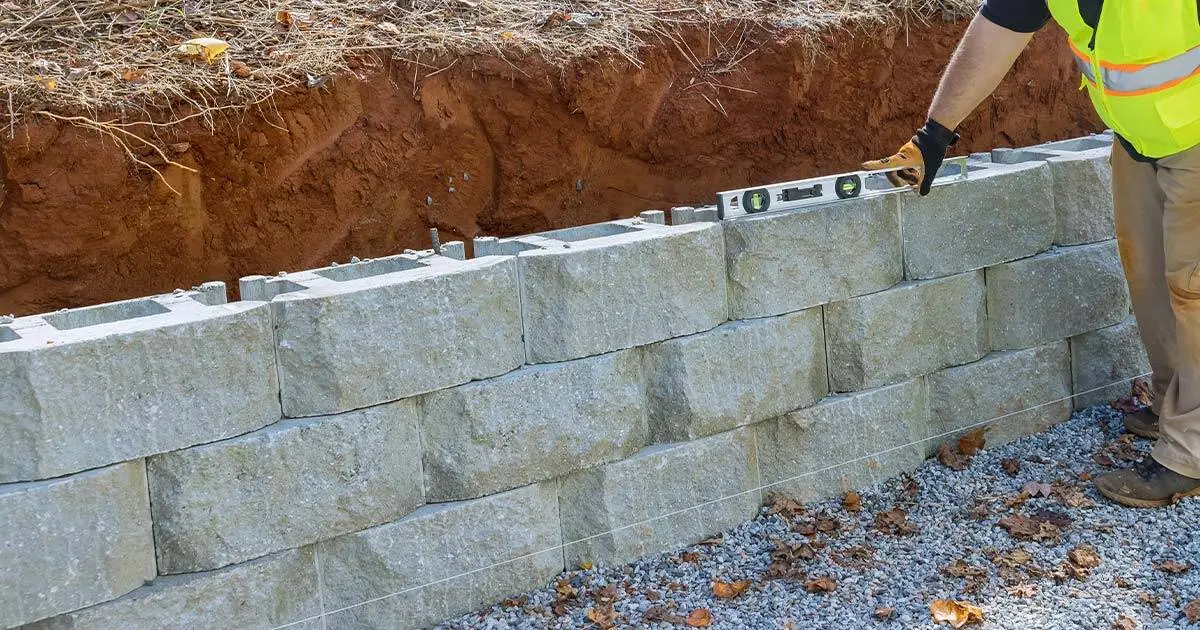
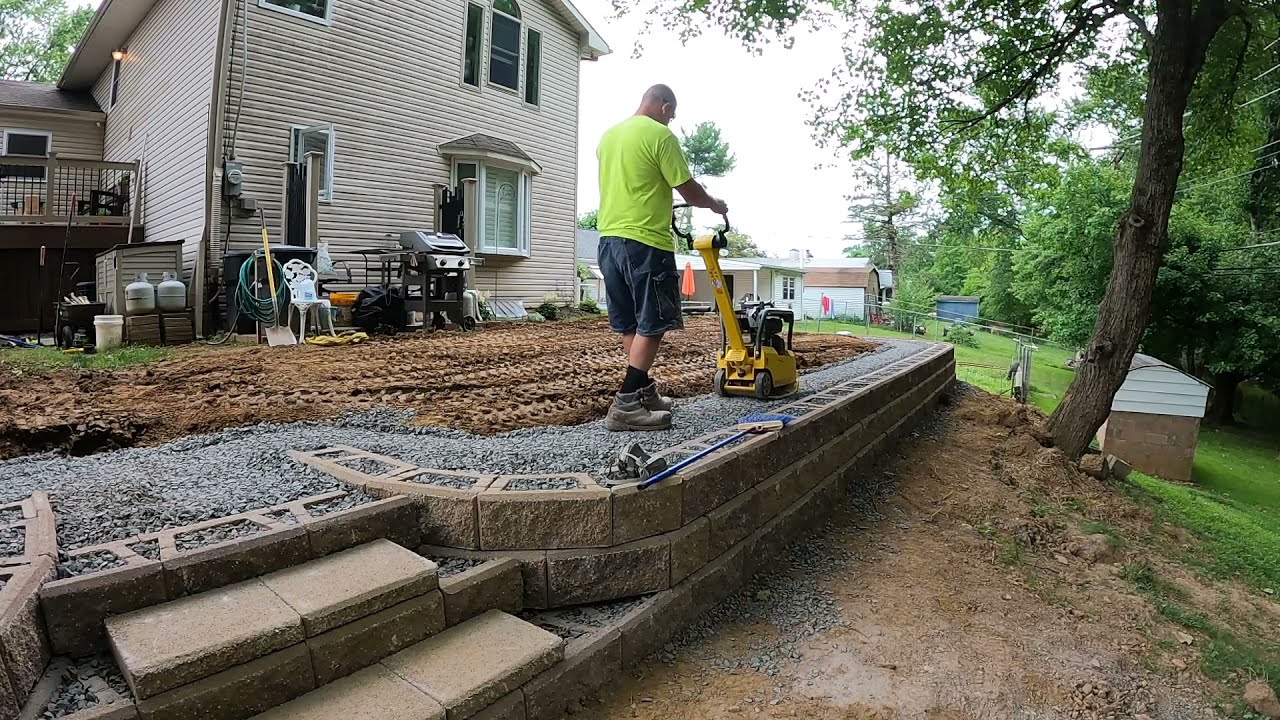
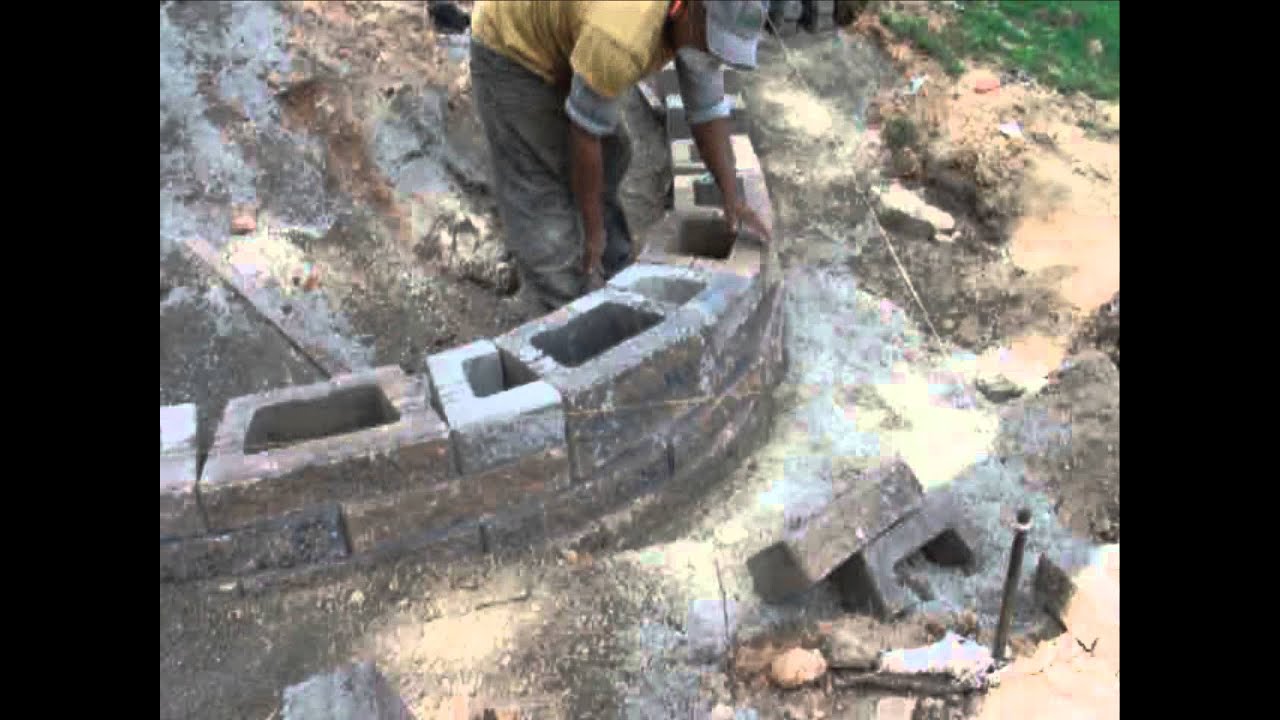
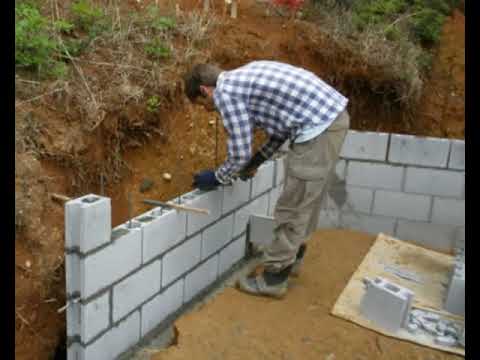
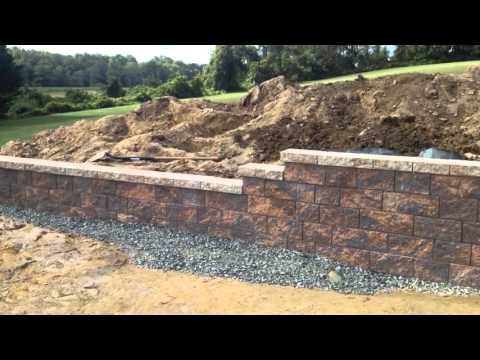
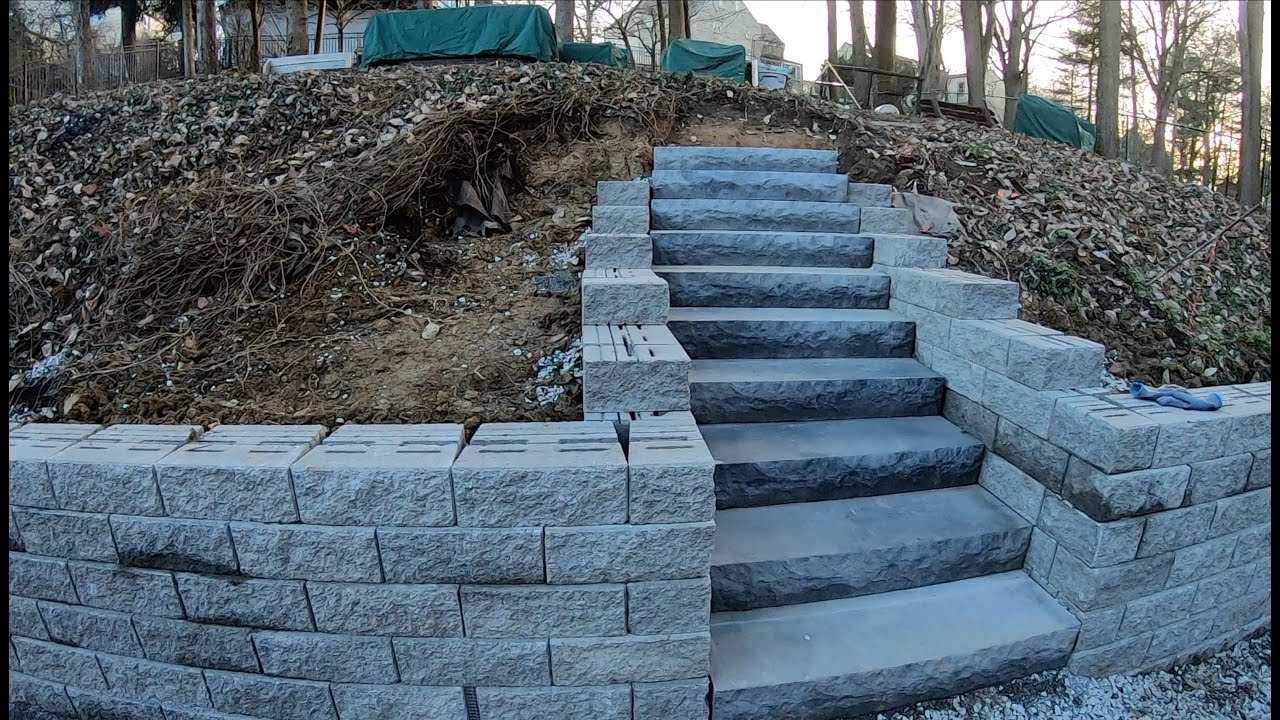
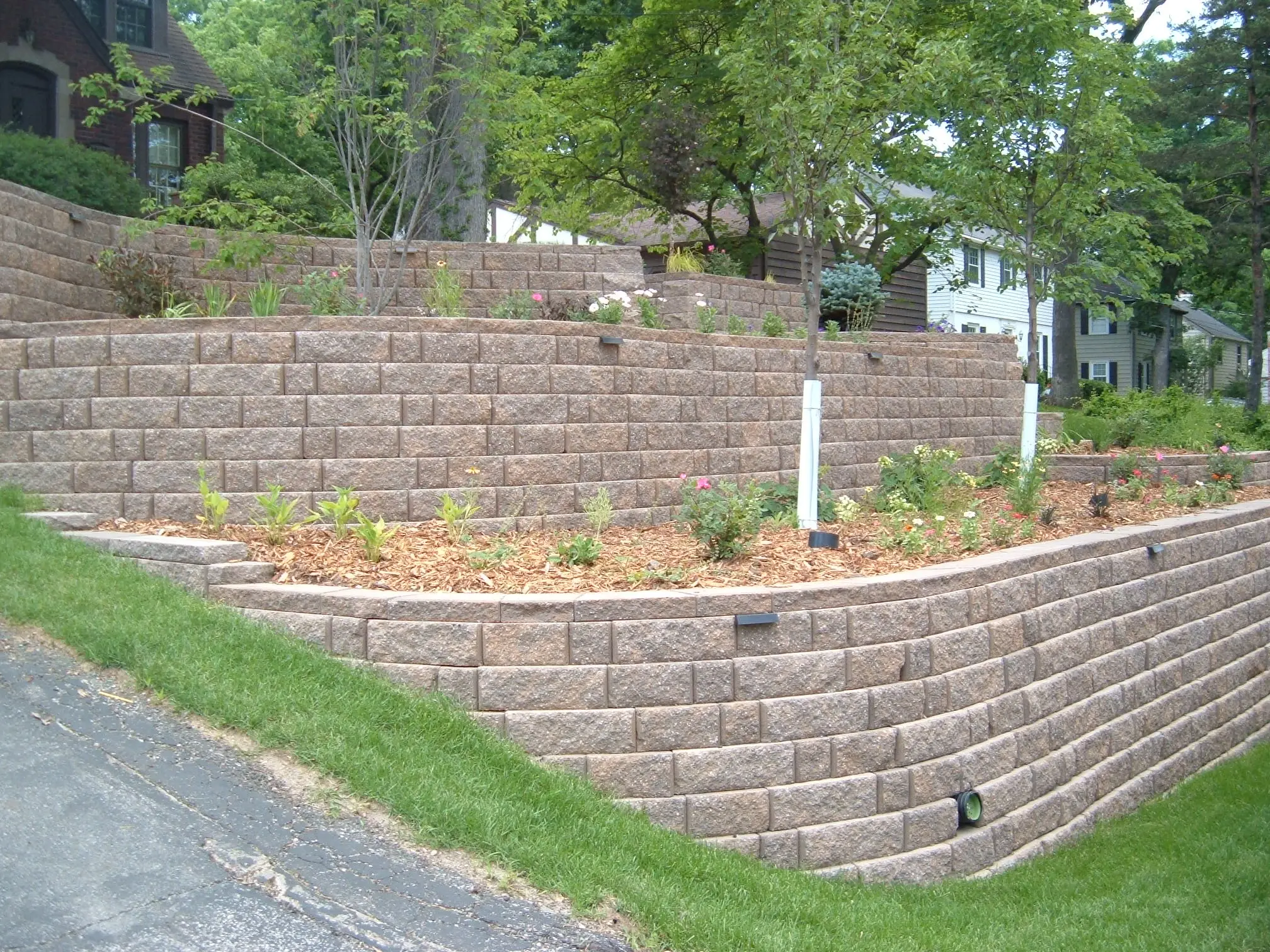
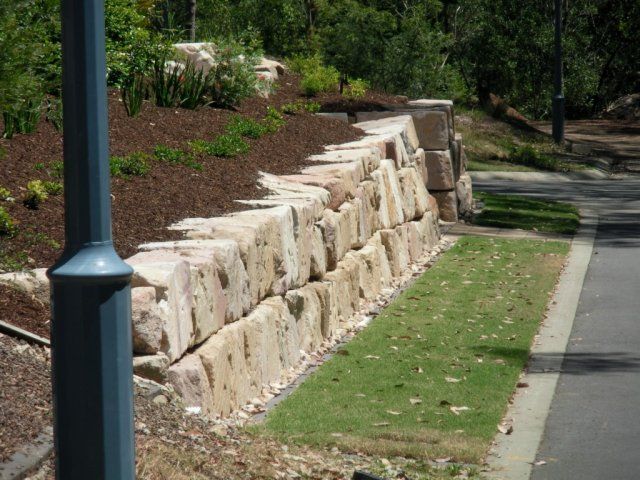
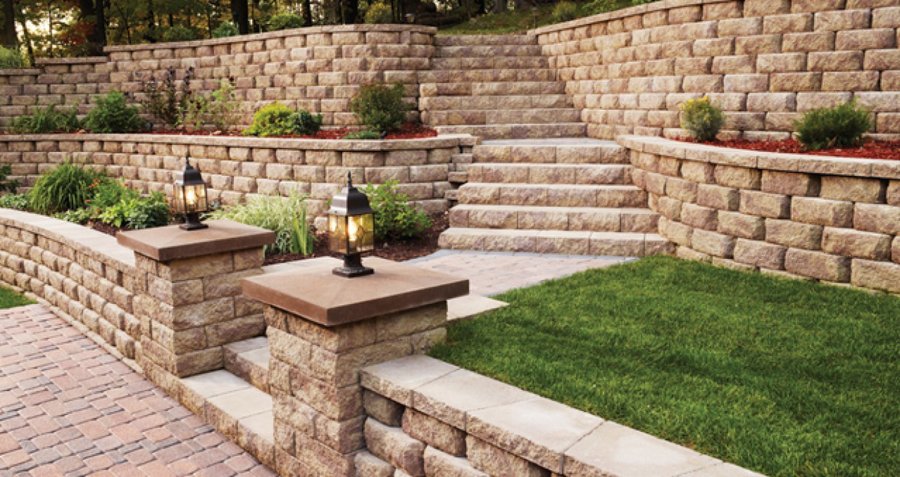
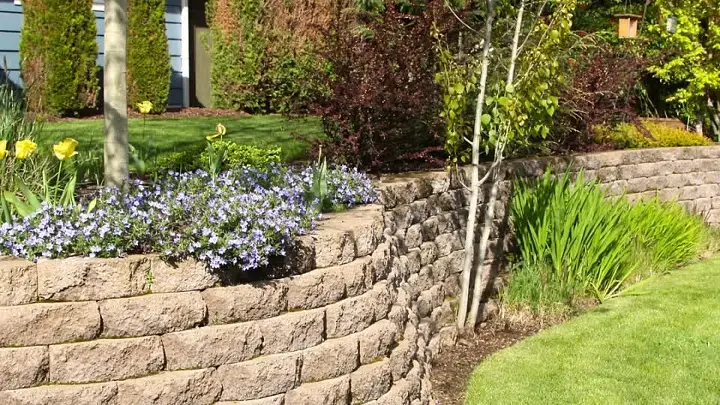
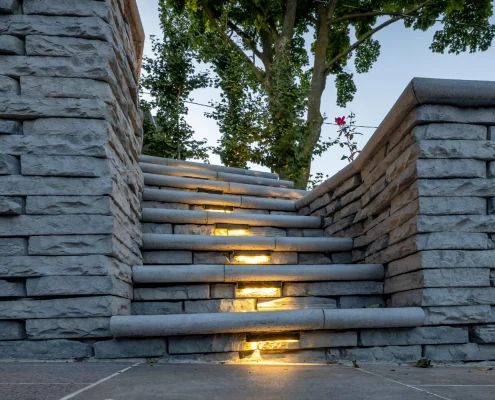
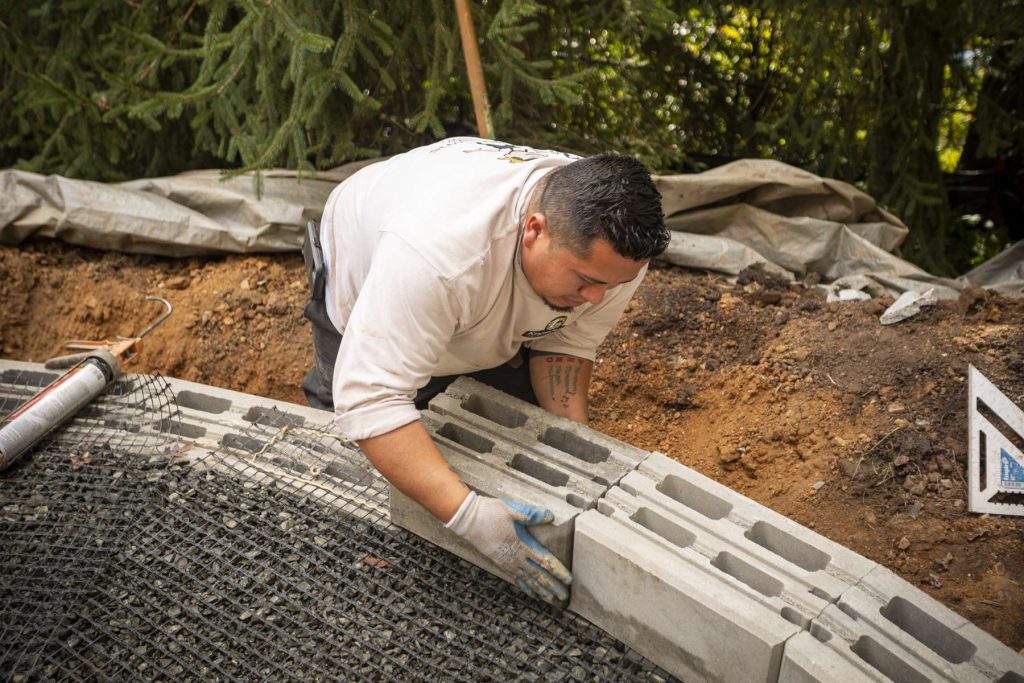
Types of retaining walls we install
The right wall depends on height, location, soil conditions, and what you want the finished space to look like.
Common retaining wall projects include:
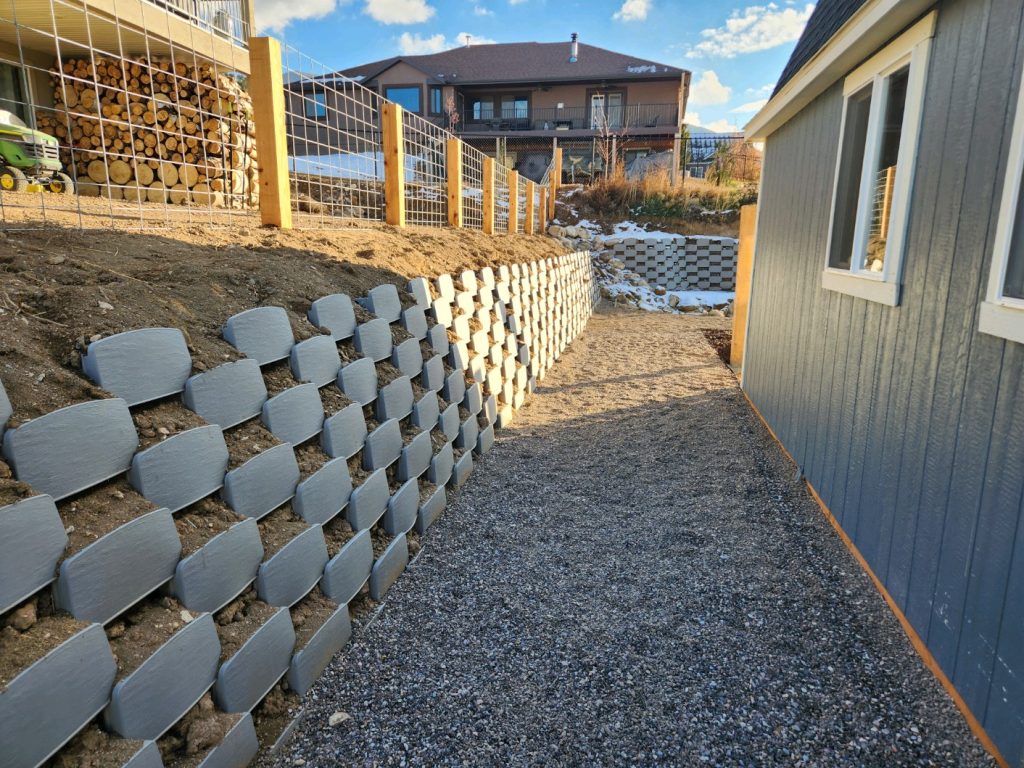
- Block retaining walls for yards and slope control
- Garden and planter retaining walls
- Retaining walls to create flat usable areas
- Retaining walls around patios, walkways, and pavers
- Replacement of leaning or failing retaining walls
- Retaining wall repairs when the structure is still stable but needs correction
If your goal is to turn a sloped yard into usable space, retaining wall installation is often the starting point.
Why retaining walls fail
Most retaining wall problems come from a few causes. The wall is holding back pressure, so small mistakes show up over time.
Common reasons retaining walls fail:
- Poor base compaction that allows movement
- No drainage behind the wall
- Backfill that holds water instead of draining
- No proper reinforcement for the wall height
- Weak edge conditions and poor tie ins
- Walls built too tall for the system used
- Water from irrigation overspray or bad grading saturating the soil
Water is the biggest issue. When water stays trapped behind a wall, pressure increases and the wall starts to push outward.
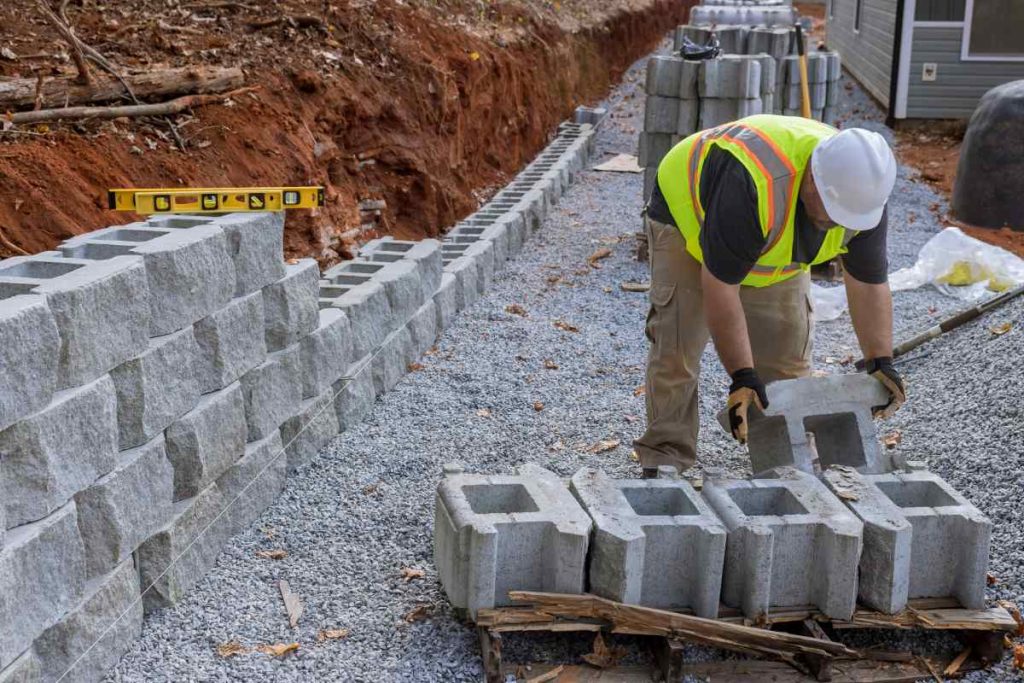
Our approach to retaining wall installation in Salinas, CA
A retaining wall install is mostly planning and prep. The visible wall is the last part.
01
Evaluate the slope, grade, and water flow
We look at the grade, where water currently goes, and what the wall needs to retain. If runoff or irrigation is feeding the area, we plan for drainage.
02
Build the base correctly
A stable base is the foundation of a retaining wall. If the base shifts, the entire wall shifts.
03
Install drainage behind the wall
Drainage is not optional if you want the wall to last. The goal is to relieve pressure, not trap it.
05
Backfill and compact in lifts
Backfill matters. The wrong material or poor compaction can create settlement and movement.
06
Finish clean and tie it into the landscape
We focus on straight lines, clean caps, consistent joints, and transitions that don’t look patched.
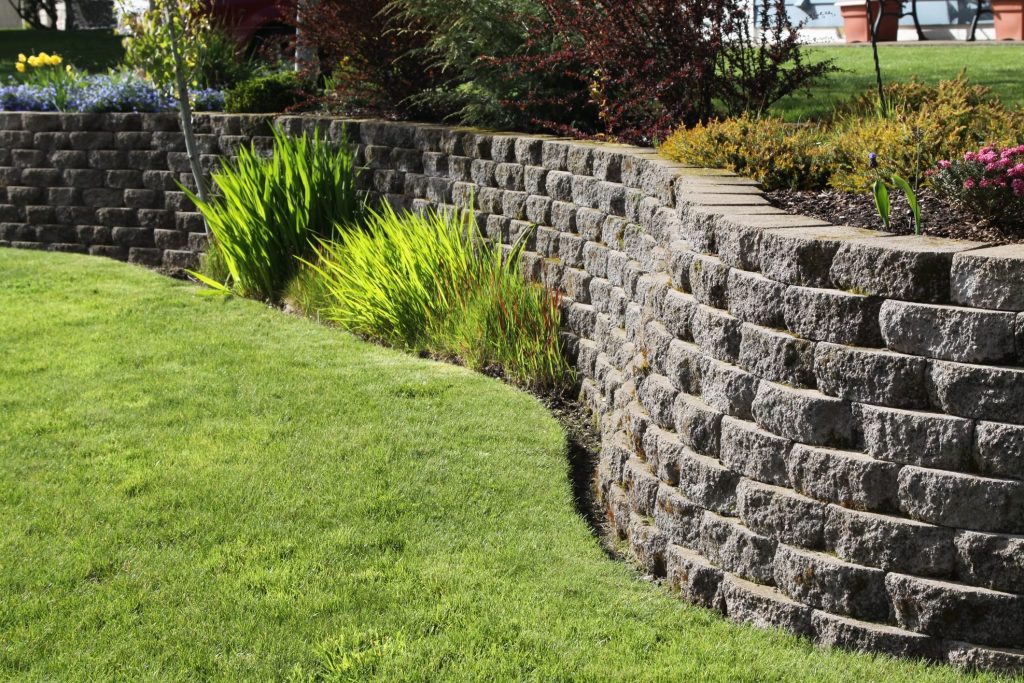
Retaining wall replacement in Salinas, CA
Sometimes a wall is past the point of simple repair. If you see major leaning, repeated cracking, or bulging sections, replacement can be the safer long term choice.
Retaining wall replacement is common when:
- The wall is bowing or leaning noticeably
- Blocks are separating or sliding
- Soil is washing out behind the wall
- Drainage was never installed
- Past surface fixes keep failing
If a wall is moving, surface patching usually does not hold.
Retaining walls for yards, patios, and pavers
Retaining wall installation often connects to other exterior upgrades. A wall can create the flat area you need for:
- A new patio
- Pavers installation
- Walkways installation
- Concrete hardscape improvements
- Steps and access paths
When these pieces are planned together, the elevations and drainage work better and the finished space looks more intentional.
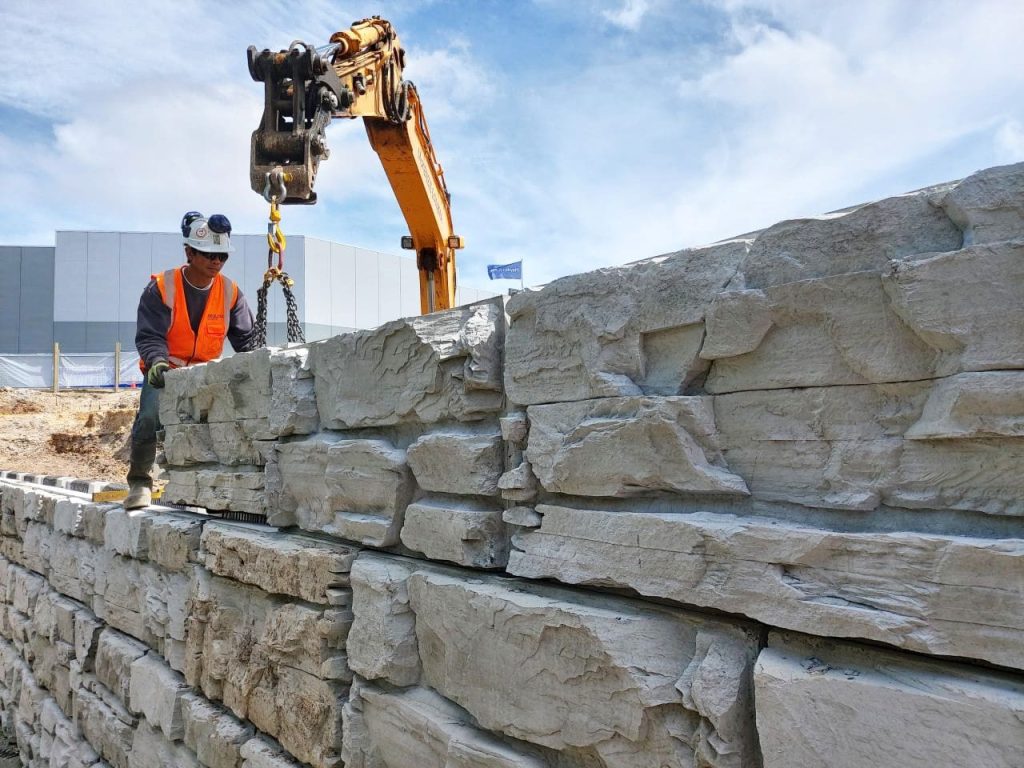
What affects the cost of retaining wall installation in Salinas, CA
Retaining wall pricing depends on height, access, and what needs to happen behind the wall.
Main cost factors include:
- Wall height and total length
- Material type and finish detail
- Excavation and removal of existing wall or soil
- Base prep requirements
- Drainage and backfill needs
- Access, slopes, tight side yards, limited equipment access
- Steps, corners, curves, and tie ins to hardscape
- Any added reinforcement required for wall height
A reliable estimate comes from evaluating the slope, water conditions, and the wall’s purpose, not just the length.
Questions people ask about retaining wall installation in Salinas, CA
Do retaining walls need drainage?
Yes in most cases. Drainage prevents water pressure from building up behind the wall, which is one of the main causes of failure.
Why is my retaining wall leaning?
Leaning is often caused by poor drainage, weak base prep, soil movement, or a wall system that is not designed for the wall height.
How long should a retaining wall last?
A retaining wall can last a long time when the base, drainage, and backfill are done correctly. Poor drainage usually shortens life quickly.
Can you build a retaining wall to level my backyard?
Yes. Retaining walls are commonly used to create flat usable space in sloped yards.
What is the best material for a retaining wall?
It depends on height, style, and budget. Block systems are common for residential projects, but the correct choice depends on the site and the look you want.
Can you replace just part of a failing retaining wall?
Sometimes, but only if the rest of the wall is stable and the drainage is not compromised. If the base or drainage is wrong, partial repairs often fail again.
Do retaining walls crack?
They can. Cracking can indicate movement, pressure, or drainage issues. Small cosmetic cracks are different from cracking tied to bulging or leaning.
How do you stop soil from washing out behind a wall?
Proper drainage, correct backfill, and clean transitions at the top edge reduce washout. Fixing grading and irrigation overspray also helps.
Do retaining walls require permits in Salinas, CA?
Some walls do, especially based on height and location. Requirements vary by scope. We can flag it early once we know the wall height and placement.
Can you install a retaining wall that matches my patio or pavers?
Yes. Retaining walls can be designed to tie into existing hardscape so the space looks consistent.